After doing so much for the project in my son’s room, I thought it was important to take a minute and talk about some DIY safety tips. When doing a DIY project, you'll likely encounter power tools, potentially hazardous chemicals and other things you want to protect yourself from. I would be lying if I didn't say that over the last 5 years of doing DIY projects I didn't get nervous about a new power tool, so even though I want to just jump right in and start using it, I know it is super important to read the instructions and follow the product safety guidelines so I can keep myself safe. Here are a few crucial tips for staying safe while DIY-ing.
DIY Safety Tips | Use A Respirator
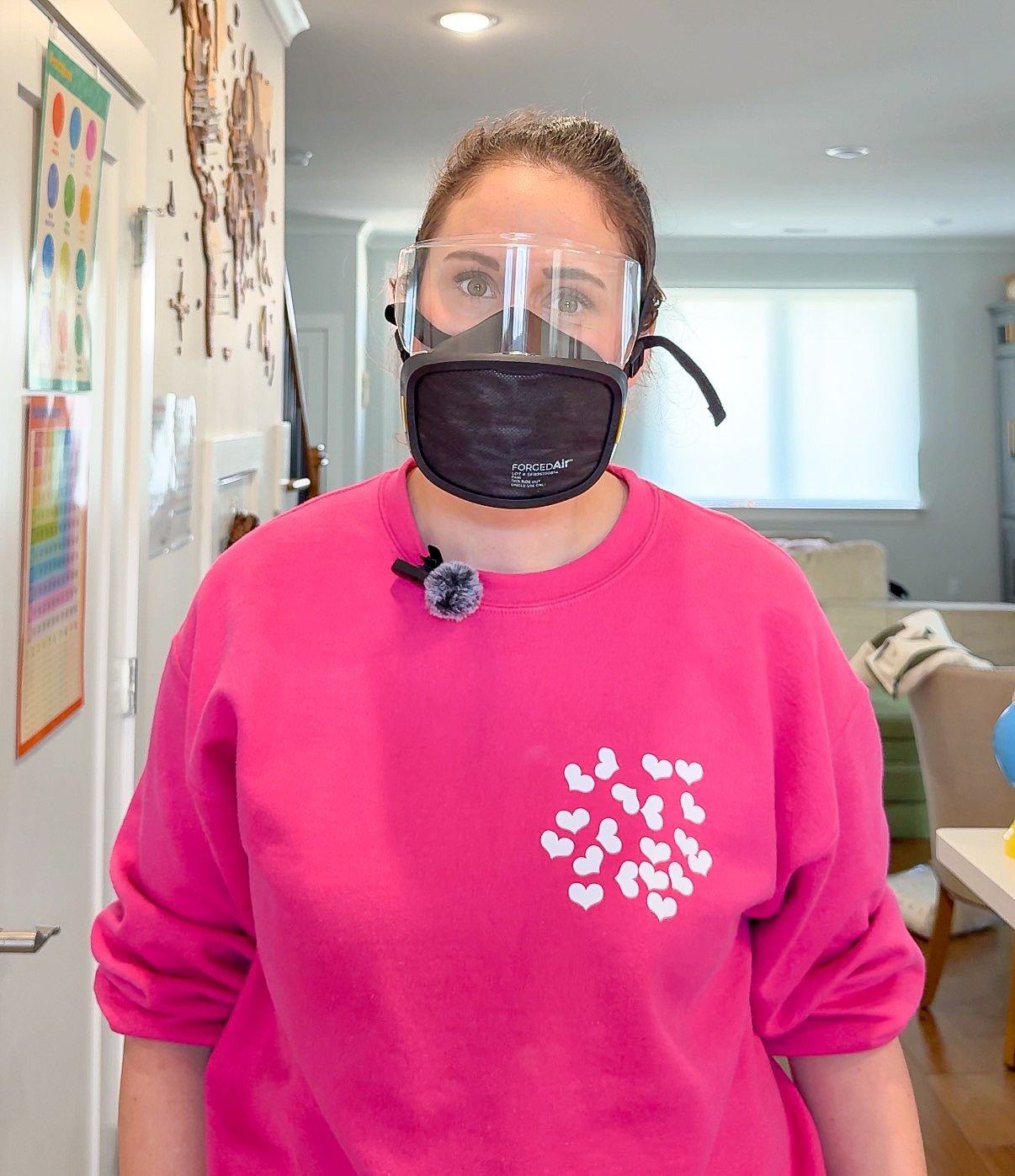
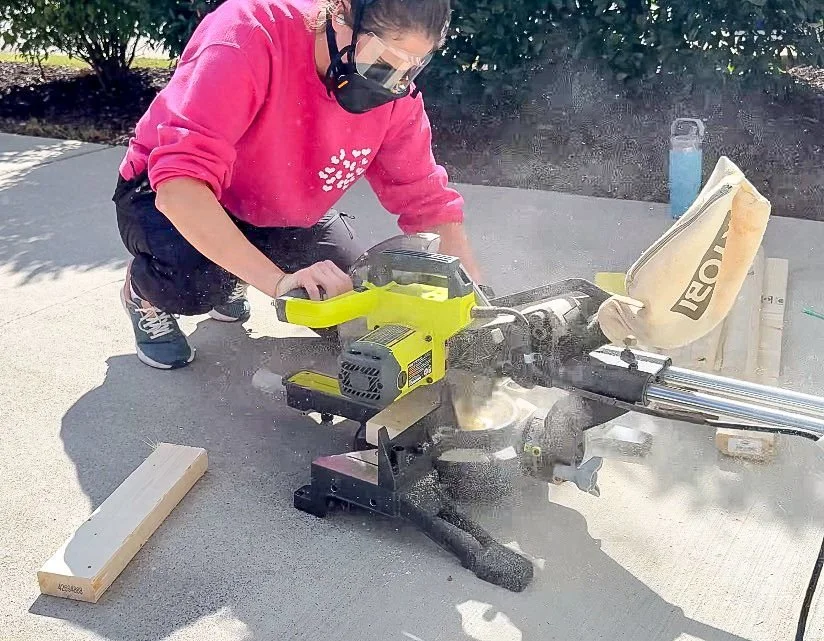
The first tip is a super important one: use a respirator when dealing with chemicals or anything else you could potentially breathe in. There are going to be a lot of different situations where you should wear a respirator, but the most crucial time is when you are working with any kind of resin, because of the toxic fumes the resin gives off, but its also important when you are sawing. I have a tree allergy that I found out about at the same time as my wheat allergy diagnosis. If I haven't worn a respirator while cutting wood, I end up having a pretty bad allergic reaction afterwards. To combat that, I try to wear a respirator whenever I can. Respirators are sometimes a pain to wear because they're so bulky, but I'm loving my new Forged Air respirator. I love that I can wear it with or without goggles, it’s super user-friendly because it only has one filter and all you have to do is put the filter on and the frame over it. Another cool feature about this respirator is that, unlike others, you can understand someone while they're wearing it. You no longer sound like a muffled Darth Vader when you're using it. Overall, I would say err on the side of caution and use a respirator when ever there is a potential for you to breathe something in.
DIY Safety Tips | Ear/Eye Protection

Safety goggles or glasses are very important to protect your eyes from splinters, sparks, or chemicals. I have a really hard time with wearing safety goggles because I like wearing sunglasses outside to protect from sun exposure, but regular sunglasses don't protect my eyes from everything else very well. For Christmas I got myself a new pair of goggles. They are super cute and also have the added functionality of having dimmers so they change from clear inside to darker outside, while still providing the safety measures. I also like that they have straps so I can easily take them on and off. They have a good amount of solid coverage on the side as well.
Going along with eye protection, ear protection is a priority of mine as well. Working with loud power tools can definitely have long term effects on your hearing so I prioritize ear protection. There are ear plugs, over the ear noise cancellers and bluetooth earbuds that all provide ear protection. In case you're not aware, your regular earphones are not ear protection. Make sure you are taking the right precautions so you don't end up with ear OR eye damage.
DIY Safety Tips | Glove Safety
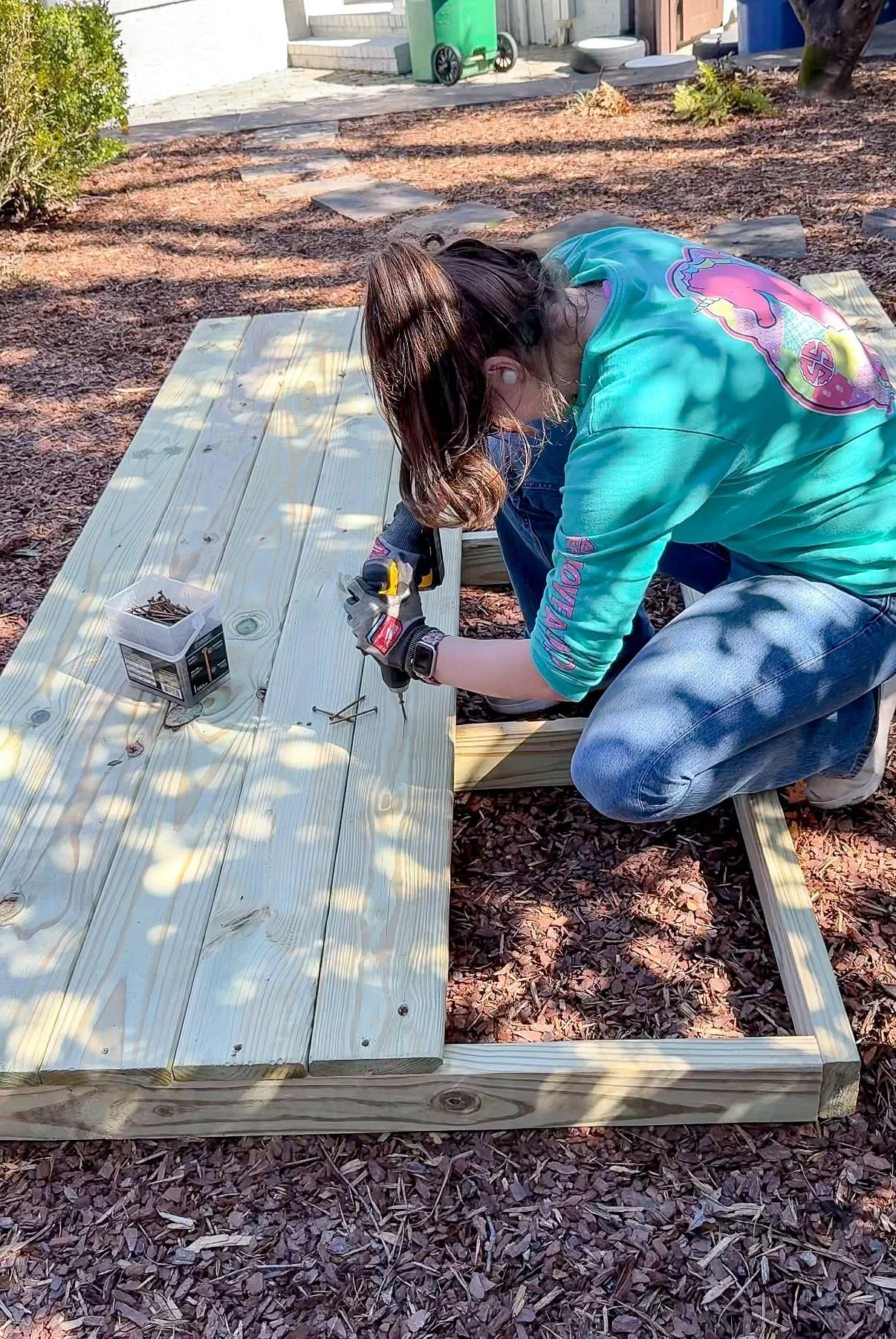
Gloves are very important in certain situations. When you are dealing with anything that has chemicals, splinters or generally outside, gloves are a very important part of your protective equipment. I cannot tell you how many times I've hurt my hands because I was not wearing gloves, so normally I err on the side of caution and wear gloves for projects. However, you should NOT wear gloves when you are using round blades so with a circular, miter saw, or even a table saw. With those kinds of blades, it is easy for the fabric on your gloves to get caught on the blade and rip it clean off which could definitely case extreme injury to your hands. So just be aware of what you're doing and if its appropriate to wear gloves or not.
DIY Safety Tips | Unplug or Remove Batteries When Not In Use
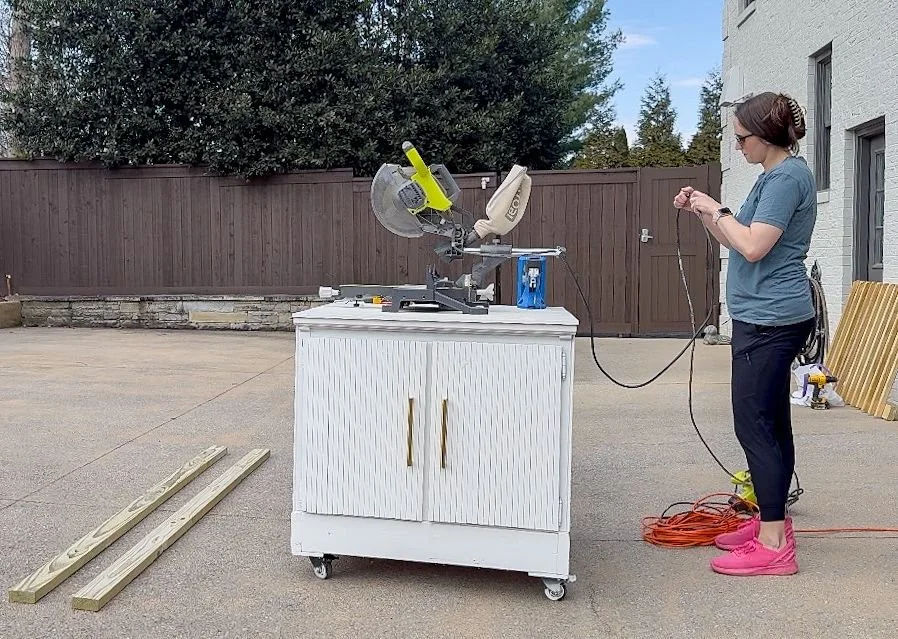
It is really important to get in the habit of un plugging or removing batteries when you are done with a power tool. It's just a good practice to have, especially when you're working in a space where small children or random people can come into contact with your power tools. This way you can have peace of mind knowing that someone inexperienced can't accidentally hurt themselves or someone else with the power tools. You also don't want to store anything where it's plugged in or has a battery attached to it all the time because its better for your equipment.
DIY Safety Tips | Wear Shoes
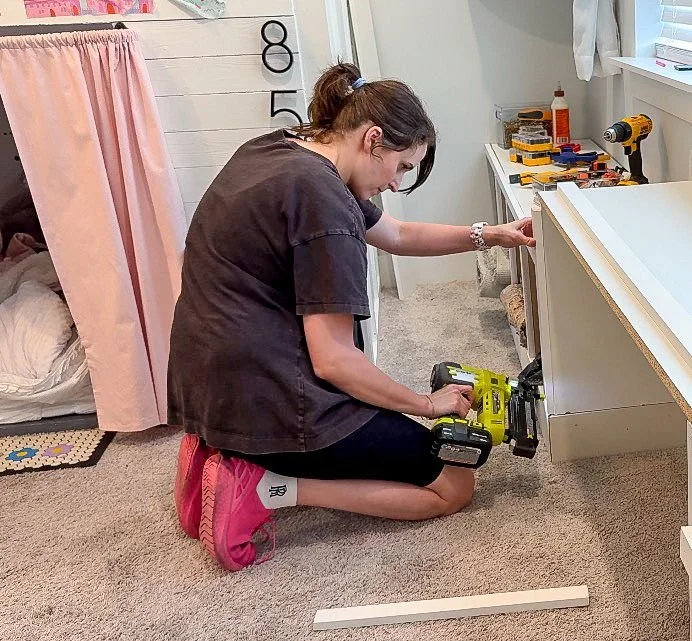
Wearing shoes seems like a no brainer, but sometimes when you're working in your home you don't think about putting shoes on, because it doesn't feel like you need them. I'm very much guilty of this, but have been trying to be better about it because wearing shoes add that extra layer of protection. I can't tell you how many times I've stepped on something, got hurt and wished I had been wearing shoes, or even dropped something, like a hammer, and was glad I was wearing protection.
DIY Safety Tips | Prioritize Ventilation
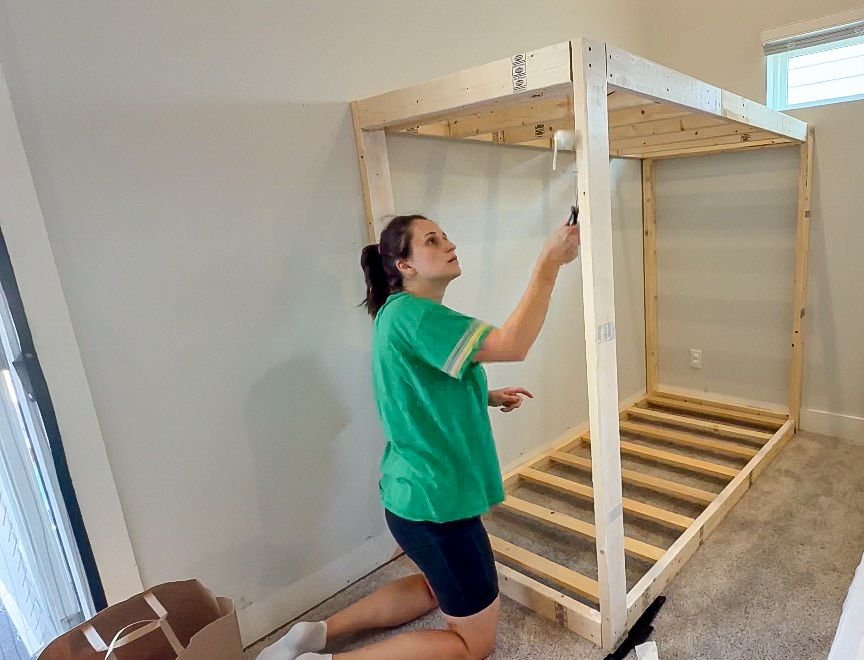
Working in a well ventilated space is important in a whole slew of situations. You'll want ventilation if your sawing, painting, staining, using epoxy and so much more. I do a lot of projects in my parents garage because they luckily have enough space I can have the doors open and still have a place to work. If I'm working inside, I make sure to have windows open and fans going whenever possible to get the air flowing as well. Being in an enclosed space with chemical, dust particles, etc. can have a lot of negative complications so once again, be cautious and ventilate as much as you can.
Hopefully you can take these tips and tricks and apply them to your DIY-ing as well. Stay safe and use caution, good luck!